Tropical Palm Tree Coconut Design Review
As someone who has spent years testing machine embroidery designs for both personal craft projects and commercial shop inventory, I approach every new digital asset with a critical eye. The market is flooded with generic graphics, but finding a machine embroidery design that balances charm with technical reliability is rare. Today, I am putting the Tropical Palm Tree Coconut Design through its paces to see if it holds up under the scrutiny of real-world stitching. This isn't just about whether the image looks good on a screen; it is about how the threads will behave on fabric, how the finished product will feel in a customer's hands, and whether this specific Graphics file can become a staple in your summer lineup.
First Impressions: Mood and Visual Weight
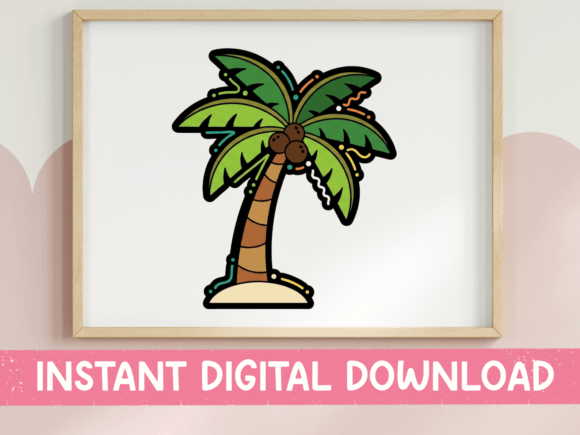
When I first opened the preview for the Tropical Palm Tree Coconut Design, the immediate feeling was one of relaxed confidence. It captures the essence of a beach vacation without being cluttered or overly busy. The description promises a single coconut palm tree with a thick brown trunk and lush green fronds, and visually, that promise is kept. The silhouette is clean, which is a massive advantage when translating a digital image into physical stitches. In the world of custom apparel, simplicity often wins because it translates better across different fabric textures.
The visual personality here is distinct. It feels like a classic tote bag design or a subtle accent on a linen apron. Unlike some tropical motifs that rely on tiny, intricate details that get lost in the stitching process, this design uses bold shapes. The "thick brown trunk" mentioned in the specs suggests a solid area for fill stitch, while the fronds offer an opportunity for varied satin stitch work to create texture. For an Etsy seller or a small business owner looking to expand their catalog, this kind of clarity reduces the risk of messy, tangled threads that ruin a finished product.
Real-World Application: A Case Study
To truly evaluate this embroidery file, I imagined a specific scenario: creating a limited run of personalized canvas tote bags for a local boutique's summer sale. These bags need to withstand frequent washing and heavy use, so the structural integrity of the embroidery is paramount. I visualized placing the Tropical Palm Tree Coconut Design slightly off-center on the front panel. Because the design features two brown coconuts hanging from the fronds, it creates a natural focal point that draws the eye without overwhelming the canvas.
In this context, the design shines as a handmade product element. Customers browsing a craft fair or an online shop are looking for items that feel authentic. A well-executed palm tree on a high-quality tote bag signals quality craftsmanship. If you were to adapt this for baby embroidery, perhaps on a soft cotton onesie or a nursery pillow cover, the rounded edges of the fronds and the gentle curve of the trunk would likely translate beautifully, offering a soft, non-threatening aesthetic perfect for young children. The versatility here is key; it works equally well as a statement piece on a sweatshirt embroidery project or as a delicate detail on a kitchen tea towel.
Technical Considerations for the Stitcher
While the aesthetic appeal is strong, practical execution requires careful planning. As a designer reviewing this for potential clients, I must highlight where caution is needed. First, consider the stitch density. Areas with dense fill, like the trunk, can sometimes make fabric stiff if not balanced correctly with the right stabilizer. On thin fabrics like lightweight t-shirts, you might need a cut-away stabilizer to prevent puckering, especially if you plan to sell these as part of a commercial embroidery line.
The color palette is another factor. The standard description mentions brown and green, but thread colors can vary wildly between brands. Always test your thread colors against your chosen fabric before committing to a full production run. A dark green on a black shirt might disappear, while a bright lime green could look jarring. Similarly, check how the design performs on textured fabrics. While the palm tree shape is robust, highly textured materials like fleece or chenille can distort the fine lines of the fronds. For best results, keep this design on smoother surfaces like cotton blends, twill, or canvas.
Furthermore, be mindful of the hoop size. Although the design appears compact, always verify the actual dimensions in your embroidery software. If you are working with curved surfaces like caps, ensure the design does not stretch awkwardly over the brim. The Tropical Palm Tree Coconut Design seems best suited for flat areas, such as the chest of a t-shirt or the body of a tote bag, rather than tight curves.
Strategic Value for Craft Businesses
For the digital product sellers and creative entrepreneurs reading this, the value of this design extends beyond a single project. It serves as a reliable asset for building brand consistency. If you run a shop focused on coastal themes or summer lifestyle products, having a cohesive set of designs is crucial. This palm tree fits seamlessly into a collection of beach-themed design assets. It elevates the perceived value of your small shop product offerings, moving them from generic souvenirs to curated, artisanal goods.
However, do not overlook the importance of licensing. Before using this digital embroidery file for any personalized gift or commercial item, confirm the license terms. Some files are strictly for personal use, while others allow for the sale of finished goods. Using a design without the proper rights can jeopardize your business reputation and legal standing. Always read the fine print associated with your purchase.
Final Verdict and Designer Tips
My recommendation is to treat the Tropical Palm Tree Coconut Design as a versatile workhorse for your summer collection. It is clean, charming, and technically sound for most standard applications. To maximize its potential, follow these steps:
- Test on scrap fabric first: Never skip this step. Check for tension issues and color bleeding.
- Review stitch count: Ensure the file matches your machine's capabilities and your time constraints.
- Use proper stabilizer: Match the weight of your fabric to the type of stabilizer to maintain a crisp finish.
- Create printable mockups: Use these to show customers exactly how the design will look on different items before they buy.
- Check contrast: Ensure the brown trunk and green fronds stand out clearly against your background fabric.
If you are an apparel decorator looking for a design that delivers consistent results with minimal fuss, this is a strong contender. It bridges the gap between artistic flair and practical functionality. Whether you are making a holiday gift for a friend or stocking shelves for your online store, the Tropical Palm Tree Coconut Design offers a reliable way to bring a touch of the tropics to your creations. Just remember, the success of any embroidery project lies not just in the file itself, but in how thoughtfully you apply it to your materials.